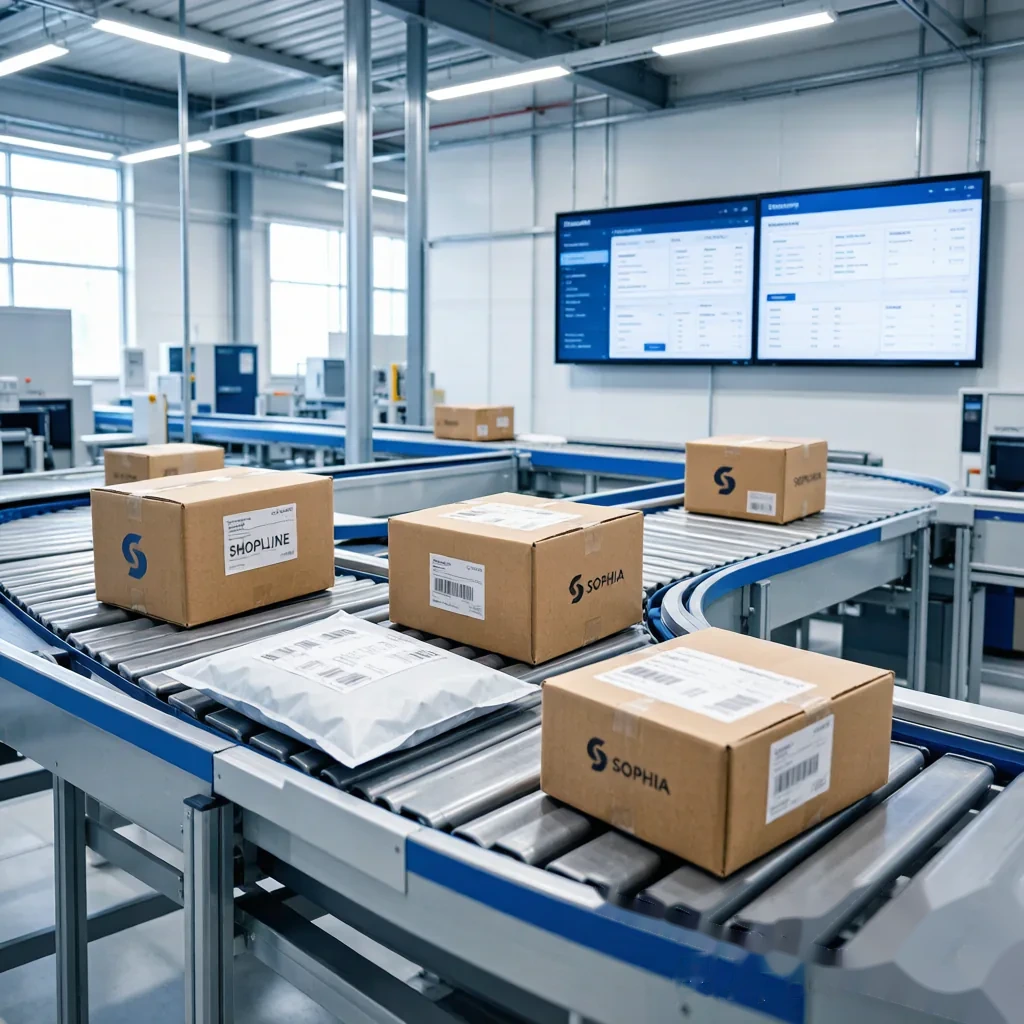
Selling on multiple channels is a proven growth strategy –but it creates a logistics nightmare if you're managing separate inventory pools for each platform. Shopify orders shipped from your own warehouse. Amazon via FBA. TikTok Shop from a pop-up 3PL. Walmart from yet another location. Sound familiar?
There's a better way. Unified multi-channel fulfillment –running all your channels through a single 3PL warehouse –is how some of the fastest-growing DTC brands are scaling efficiently while reducing complexity.
多渠道的头疼(以及为什么在加剧)
In 2026, the average mid-market eCommerce brand sells on 3.2 channels. But 67% of them still manage fulfillment across multiple warehouses or fulfillment methods. The result?
- 碎片化的库存可视化——没有统一的库存数据来源
- 更高的总库存持有成本——安全库存在多地重复
- 不一致的客户体验——不同的包装,不同的配送速度
- 运营复杂性——多个仪表板,多张发票,多个联系人
统一多渠道3PL履约如何运作
1. 集中库存
所有产品存放在一个3PL仓库(或由单一供应商管理的多节点网络)。无论订单来自Shopify、Amazon(Seller-Fulfilled Prime或Merchant Fulfilled)、TikTok Shop还是Walmart,都从同一库存池提取。
2. 渠道专属路由规则
A good 3PL's WMS supports routing rules by channel:
- Amazon: FBA label compliance, palletizing requirements, carrier selection by FC
- Shopify/Walmart: Custom packaging, branded inserts, gift wrapping
- TikTok Shop: 3-day delivery SLA compliance, specific carrier routing
3. 统一仪表板
一次登录。一个视图。查看每个渠道的订单、所有渠道的实时库存和合并的绩效指标。不再需要切换标签页或电子表格对账。
真正的投资回报:超越成本节约
是的,整合到一个3PL可降低成本。但更大的收益是战略性的:
- Launch on new channels faster: Add TikTok Shop or Temu to your fulfillment setup in hours, not months
- Better inventory decisions: With unified data, you can stock less and sell more
- Consistent brand experience: Same packaging quality, same delivery speed, every channel
- Simplified accounting: One invoice, one payment, one reconciliation