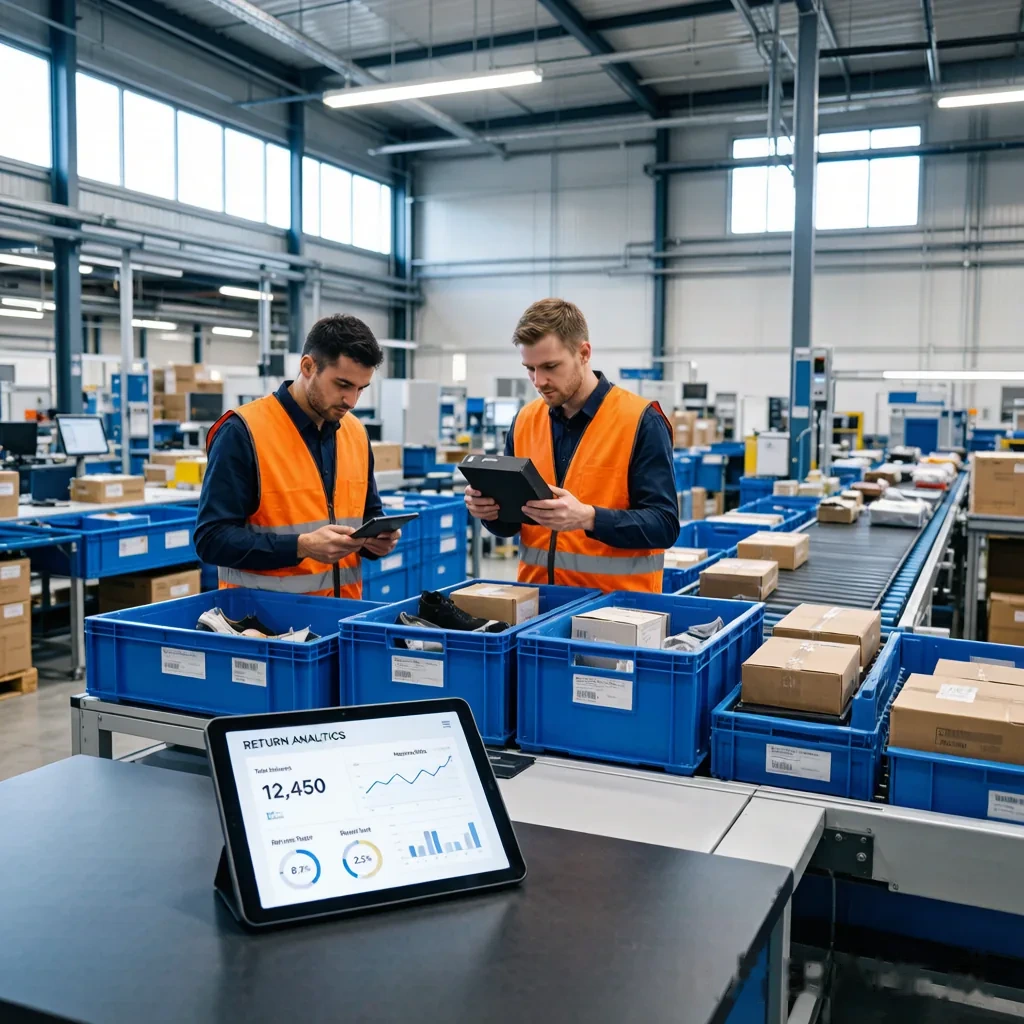
Ecommerce returns are a $800 billion problem globally –but they're also a massive opportunity that most brands are leaving on the table. While many companies treat returns as a pure cost center to be minimized, the smartest operators are using 3PL-powered reverse logistics to turn returns into a competitive advantage.
Why Returns Are Actually a Customer Experience Touchpoint
Think about it: the return process is often the last interaction a customer has with your brand. If it's smooth, fast, and hassle-free, they're likely to buy again. If it's a painful, slow, confusing experience –they're gone forever.
Research consistently shows that customers who have a positive return experience are more likely to make repeat purchases than those who never returned anything at all. The return interaction is a relationship-building opportunity, not just a cost to manage.
3 Ways a 3PL Elevates Your Returns Game
1. Speed: From Weeks to Hours
When returns go to a 3PL with dedicated inspection teams, items get processed in hours, not weeks. The 3PL inspects, grades, and restocks the item –or flags it for liquidation. The customer gets their refund faster. You get sellable inventory back faster. Everyone wins.
2. Quality Control at Scale
A good 3PL return process includes:
- Item inspection against your custom grading criteria
- Repackaging and relabeling for restock-ready condition
- Damage documentation with timestamped photos
- Integration with your returns portal for real-time status updates
3. Value Recovery
Not every return goes back on the shelf. A sophisticated 3PL can triage returns into multiple outcome paths:
- Restock-ready: Inspected, cleaned, repackaged –straight back to sellable inventory
- Refurbish: Minor repairs or repackaging before restock
- Liquidate: Sell to secondary channels, recovering 30-70% of value
- Donate/Recycle: For items not worth recovering, with tax-deductible documentation
The Business Case
For a brand processing 500 returns per month, switching from self-managed returns to a 3PL with inspection, restocking, and liquidation pathways can reduce net return cost by 40-50% –while simultaneously improving customer satisfaction scores and repeat purchase rates.